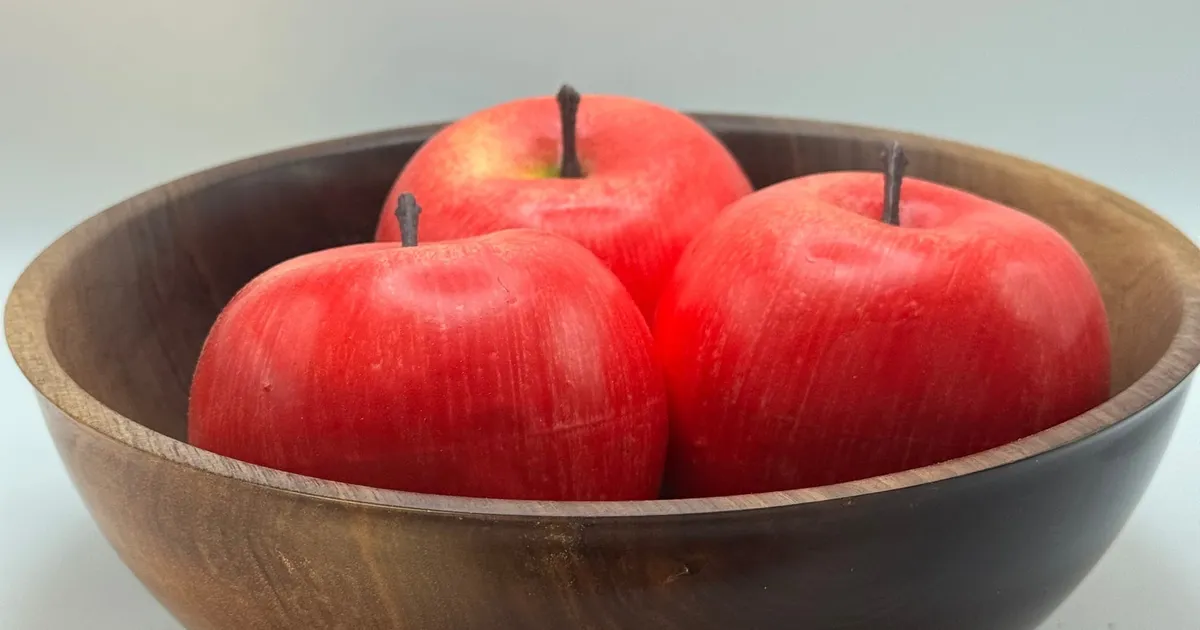
What Makes a Hand-Turned Wood Bowl Worth $150?
The question is fair. You can buy a wooden bowl at a big box store for $20. You can find something on Etsy for $40. So when you see a hand-turned piece priced at $120, $150, or more, it’s reasonable to wonder what you’re actually paying for.
I’ll tell you exactly what goes into it — because I think buyers deserve a straight answer, and because the honest version of this story is more interesting than a vague appeal to “craftsmanship.”
The Wood
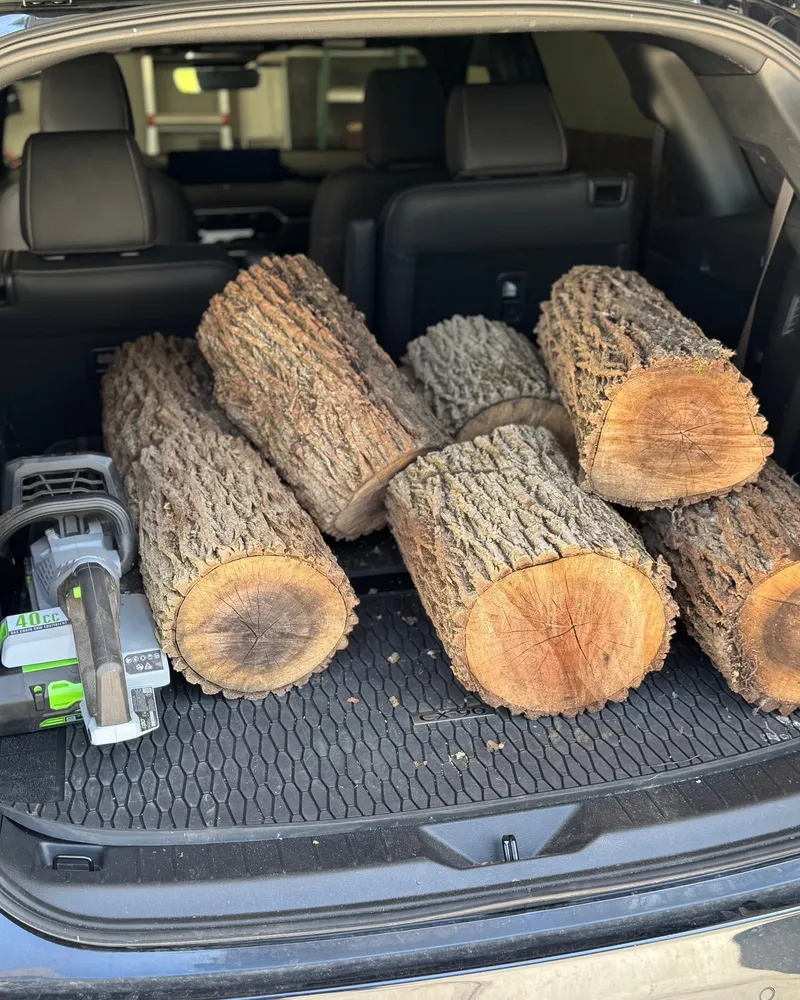
A quality bowl blank — a section of hardwood sized and stabilized for turning — costs anywhere from $15 to $60 depending on species and figure. Walnut runs more than cherry. A piece with dramatic figure, spalting, or burl costs significantly more than clear stock. That’s before I touch it.
Some of my blanks come from local sources: a tree service contact in Northeast Ohio, a neighbor who lost a cherry tree to a storm, a sawmill that lets me pick through offcuts. Those have lower dollar cost but real time cost — processing green wood, rough-turning, letting it dry for months, coming back to finish it. That time doesn’t show up as a line item, but it’s real.
The wood alone on a mid-size finished bowl is typically $20–40. Not $3.
The Time
A straightforward 8–10 inch bowl with no unusual figure or complications takes me roughly 2–3 hours of lathe time from blank to sanded. That’s not counting:
- Mounting and truing up the blank
- Multiple sharpenings during the turning process (sharp tools are not optional — dull tools mean catches, tear-out, and a bad surface)
- The sanding progression: typically 80 → 120 → 180 → 220, sometimes 320 on tight-grained species
- Three to four coats of finish, applied 24 hours apart, with light sanding between coats
- The curing period — most penetrating oil finishes need a week after the final coat before a piece is ready to leave the shop
By the time a bowl is ready to sell, I’ve touched it over the course of a week or more. The actual hands-on time is 4–6 hours for most pieces.
At a modest $30/hour — well below what any skilled trade bills — that’s $120–180 in labor alone.
The Failures
This is the part that doesn’t get talked about enough: not every blank becomes a finished bowl.
Wood splits on the lathe. A blank I’ve had drying for eight months develops a hidden crack that only reveals itself under turning stress. A piece with beautiful figure turns out to be punky at the center — too soft to hold a clean edge. An aggressive cut at the wrong grain angle tears out a section I can’t recover. I’ve had blanks I paid $45 for end up in the scrap pile.
Those losses average out across every piece I sell. The bowl in your hands helped absorb the cost of the one that didn’t make it.
The Tools and Setup
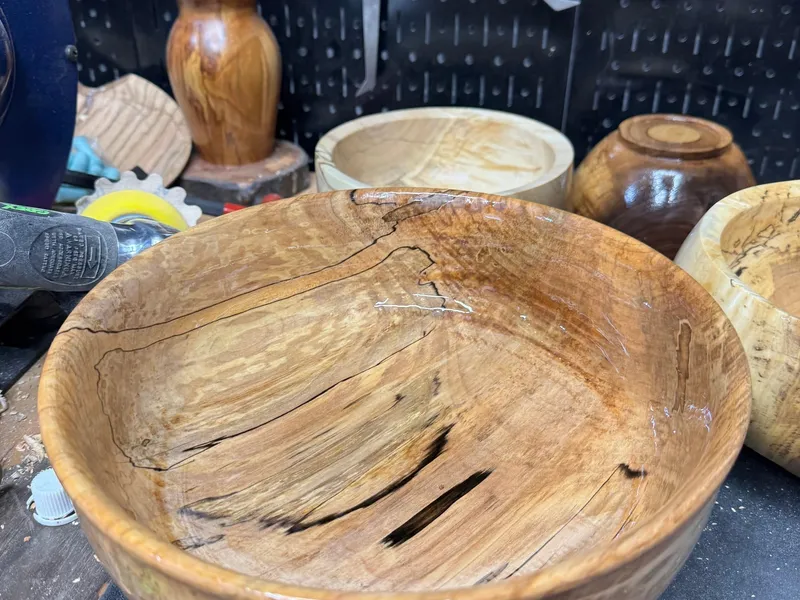
A quality bowl gouge costs $60–120. A CBN grinding wheel (what serious turners use to maintain a sharp edge) runs $100–150. The lathe itself is a multi-thousand dollar investment. The shop infrastructure — dust collection, lighting, finishing area, storage — adds up.
None of this gets itemized on a price tag, but it’s real overhead that any honest craftsperson prices into their work.
What You’re Actually Getting
When you buy a hand-turned bowl at $150, here’s what you’re holding:
A single object that was shaped by one person, by hand, with no two passes of the tool alike. The wall thickness, the curve from rim to foot, the way the grain aligns with the form — those were decisions, made in real time, by someone who cared whether they were right. There is no other bowl exactly like it.
The wood itself is material that a factory bowl almost certainly isn’t using. Mass-produced wooden bowls are typically made from acacia, rubberwood, or similar plantation-grown commodity species — fast-growing, cheap, and consistent. A hand-turned bowl in walnut, cherry, or figured maple is using lumber that takes decades to grow and rewards attention in a way commodity wood doesn’t.
The finish is applied by hand, in multiple coats, with time between each. It’s penetrating rather than sprayed-on; it enhances the wood rather than hiding it.
And — this is the part I actually find most compelling — it’s an object with a useful life measured in decades rather than years. A bowl finished with oil and maintained properly doesn’t wear out. It gets better. The cherry deepens. The finish gains character with use. In twenty years it’s not depreciated; it’s patinated.
The $20 bowl from the import aisle will be in a landfill by then.
That’s the honest version. Not every hand-turned piece is worth its asking price — skill and care vary, and you should absolutely ask questions before buying. But when a maker who knows what they’re doing prices a piece at $150, the math is real. You’re not paying a premium for a story. You’re paying for the time, the material, and the one-of-one nature of the object in your hands.
Interested in a custom piece with similar character?
I take a limited number of commissions each month to ensure every piece receives the attention it deserves. Let's discuss your custom commission