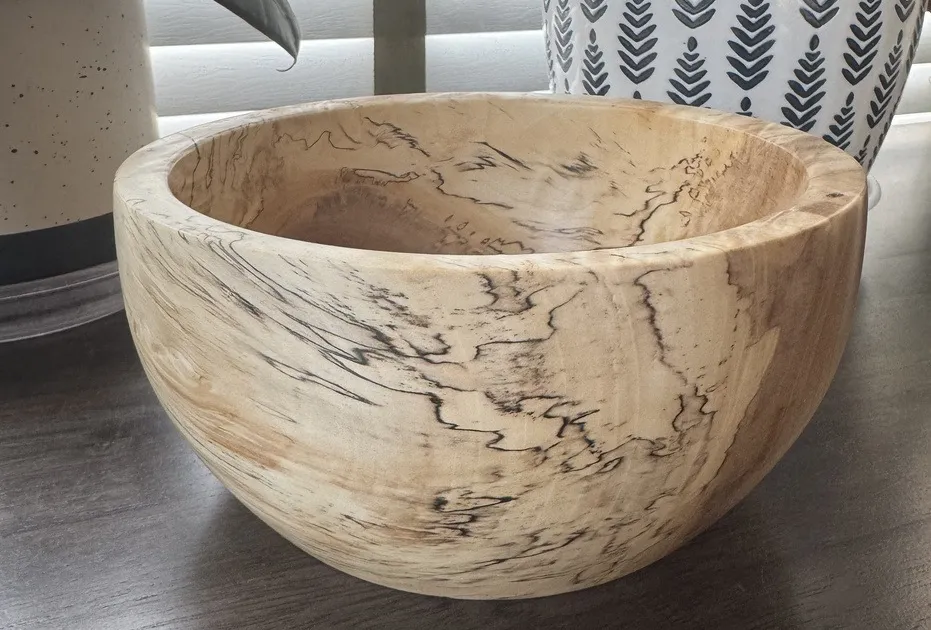
How to Clean & Care for a Wood Bowl: The Complete Guide
Your handcrafted wood bowl is more than just a functional piece—it’s a work of art that can last for generations with proper care. Whether you use your bowl for serving salads, displaying fruit, or as a stunning centerpiece, following these simple guidelines will keep it looking beautiful for years to come.
The short answer: Hand wash with warm water and mild soap, dry immediately with a towel, and refresh the finish with food-safe mineral oil once or twice a year. Never put a wood bowl in the dishwasher or microwave. That’s really all there is to it — the rest is just the details.
How to Clean Your Wood Bowl
Wood is a natural, living material that responds to its environment. Cleaning is simple — it just requires doing it right every time.
To wash your wood bowl: use warm water with a small amount of mild dish soap and a soft cloth or sponge. Never use abrasive scrubbers, steel wool, or anything that can scratch the finish. Rinse thoroughly, then immediately dry with a clean towel — don’t let it air dry or sit in standing water, as prolonged moisture exposure causes warping and cracking.
For stubborn food residue, let warm soapy water sit in the bowl for a few minutes to loosen it, then wipe clean. A gentle scrub with a soft brush works for textured grain areas.
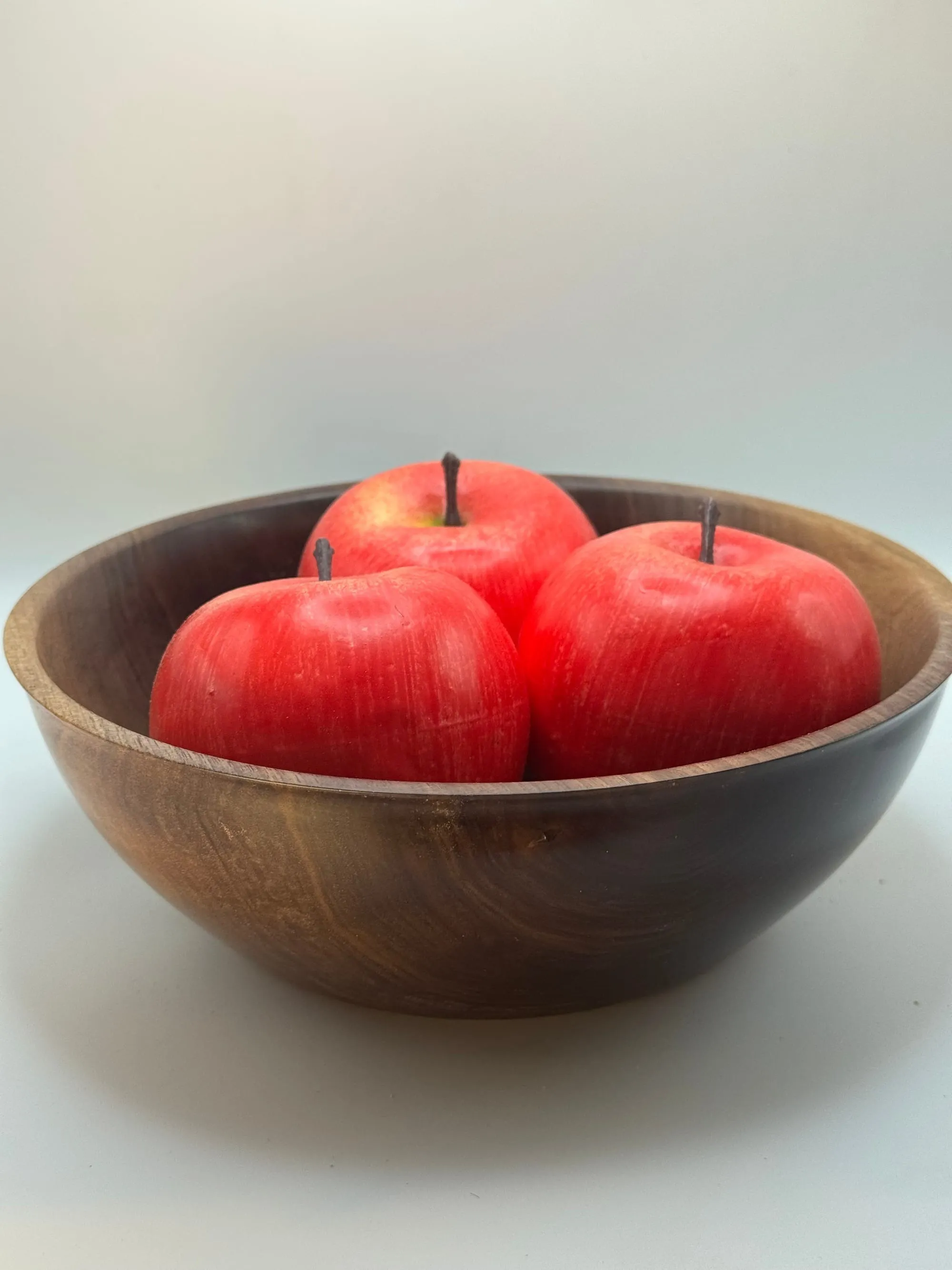
What to Avoid: The Critical Don’ts
Never put your wood bowl in the dishwasher. The intense heat, harsh detergents, and prolonged water exposure will strip the protective finish, cause the wood to crack, warp, or split, and can completely ruin your bowl in just one cycle.
Never use your wood bowl in the microwave. Wood and microwave energy don’t mix—the rapid heating can cause the wood to crack, create hot spots, or even start smoking. If you need to serve warm food, heat it in a microwave-safe container first, then transfer it to your wood bowl.
Avoid extreme temperatures. Don’t pour boiling liquids directly into your bowl or expose it to freezing temperatures. Rapid temperature changes can shock the wood and cause damage.
Maintaining the Finish
Your bowl has been finished with polymerized tung oil and wax, which creates a durable, food-safe protective layer. This finish gives the wood its beautiful luster and helps protect it from moisture and stains.
Over time and with regular use, you may notice the finish becoming less lustrous. When this happens (typically once or twice a year, depending on use), you can refresh the finish:
- Clean and thoroughly dry the bowl
- Apply a thin coat of food-safe mineral oil or beeswax
- Let it absorb for 15-20 minutes
- Buff with a soft, clean cloth
This simple maintenance will keep your bowl’s finish rich and protective.
Storage Tips
Store your bowl in a dry place away from direct sunlight and heat sources. Extreme dryness can cause wood to crack, while excessive humidity can lead to warping. A normal kitchen environment is typically ideal.
If you won’t be using your bowl for an extended period, give it a light coat of mineral oil before storing to prevent the wood from drying out.
Safe Food Use
Your wood bowl is perfect for:
- Fresh salads and vegetables
- Fruit displays
- Bread and rolls
- Dry snacks and popcorn
- Room temperature or slightly warm foods
While the tung oil and wax finish is food-safe, avoid using your bowl for:
- Very hot foods or liquids (let them cool slightly first)
- Foods that will sit for extended periods
- Acidic foods that will remain in the bowl for hours (like marinating)
The Beauty of Wood
Remember, wood is an organic material with natural variations in grain, color, and texture. Small changes over time are normal and add to your bowl’s unique character. Minor color deepening or subtle grain enhancement are signs of a well-loved piece, not damage.
With these simple care practices, your handcrafted wood bowl will remain a cherished, functional piece of art in your home for decades. The few extra moments spent caring for it properly are a small investment in preserving both its beauty and its story.
Frequently Asked Questions
How do you clean a wooden bowl?
Hand wash only. Use warm water with a few drops of mild dish soap and a soft cloth or sponge — never anything abrasive. Rinse thoroughly and dry immediately with a clean towel. Do not let the bowl sit in water or air-dry. For stuck-on food, let warm soapy water sit in the bowl for a few minutes first, then wipe clean.
How do you wash a wood bowl?
The same way you’d wash any delicate dish — by hand, with warm water and mild soap, using a soft cloth. The key steps that matter: don’t soak it, don’t put it in the dishwasher, and dry it immediately with a towel after rinsing. Those three rules cover 90% of wood bowl care. Everything else is just maintenance.
How do you care for a wooden salad bowl?
Same method as above, with one extra note: after serving salad with dressing, wash the bowl promptly. Oil-based dressings can penetrate the finish if left sitting for hours. A quick wash right after the meal keeps the bowl in top shape. Refresh the finish with food-safe mineral oil or beeswax once or twice a year.
Can you put a wooden bowl in the dishwasher?
No — never. Dishwasher heat, harsh detergents, and prolonged water exposure will strip the finish and can crack, warp, or split the bowl in a single cycle. Always hand wash.
Are wood bowls food-safe?
Yes — when finished properly. This bowl is finished with polymerized tung oil and wax, which is FDA food-safe once fully cured. Avoid prolonged contact with highly acidic foods (like marinating for hours) and keep very hot foods to a short serving time. For everyday salads, fruit, bread, and dry snacks, wood bowls are perfectly safe.
How often should I oil my wood bowl?
Once or twice a year for bowls in regular use. If the finish looks dull or the wood feels dry to the touch, it’s time. Clean and dry the bowl, apply a thin coat of food-safe mineral oil or beeswax, let it absorb for 15-20 minutes, then buff with a soft cloth.
Interested in a custom piece with similar character?
I take a limited number of commissions each month to ensure every piece receives the attention it deserves. Let's discuss your custom commission